Bond-repair and protein treatments are different cosmetic approaches to damaged hair, and neither category is standardized enough to guarantee the same result across brands. Bond-building technologies generally target chemical or structural damage in the fiber, while hydrolyzed proteins mainly deposit on or interact with the hair surface and can temporarily change strength, feel and body.
Bond repair vs protein treatment
| Feature | Bond-repair product | Protein treatment |
|---|---|---|
| Typical aim | Address aspects of damage from bleach, color or heat using a brand-specific technology | Temporarily condition or reinforce damaged areas using hydrolyzed proteins |
| Standardized category? | No; chemistry and evidence vary by product | No; protein type, size and formula vary |
| Potential fine-hair issue | Rich formulas may leave hair coated or limp | Repeated use may leave some hair feeling stiff, rough or dry |
| Best way to judge | Damage history, label directions and how the hair responds | Hair feel, flexibility, residue and label directions |
What bond-repair products can realistically do
Some proprietary bond-building systems are designed for hair damaged by bleaching, coloring or heat. Depending on the chemistry and formula, users may notice smoother feel, improved manageability or less breakage during handling. “Bond repair” is still a broad marketing category, so the evidence for one technology should not be applied to every product using the term.
What protein treatments can realistically do
Hydrolyzed wheat, keratin, silk, soy and other proteins are commonly used to improve the feel of damaged hair. Their effects are cosmetic and temporary. They do not rebuild living tissue because the visible hair shaft is not living tissue.
About “protein overload”
“Protein overload” is not a formal diagnosis. What people usually mean is that repeated use of a protein-rich or otherwise intensive formula has left their hair feeling unusually stiff, rough, dry or less flexible. That response can depend on the complete product, frequency, other styling products and the condition of the hair.
If hair feels worse after a treatment, reduce or stop that product and reassess rather than assuming you have proved a specific molecular imbalance.
How to choose for fine, fragile hair
- Start with the damage history: bleach, color, heat and mechanical wear matter.
- Use one intensive treatment at a time so you can judge it.
- Follow the label instead of inventing a weekly schedule.
- Watch softness, flexibility, residue and breakage during handling.
- Keep routine friction and excessive heat low.
If you are unsure whether what you see is shedding or shaft damage, read Hair Shedding vs Hair Breakage.
Commercial bridge: repair treatments do not replace cleansing
Repair masks and protein treatments address the hair fiber; shampoo addresses cleansing. For a wider routine, use the Thinning-Looking & Fragile Hair Guide and Hydrolyzed Wheat Protein for Fine and Fragile Hair.
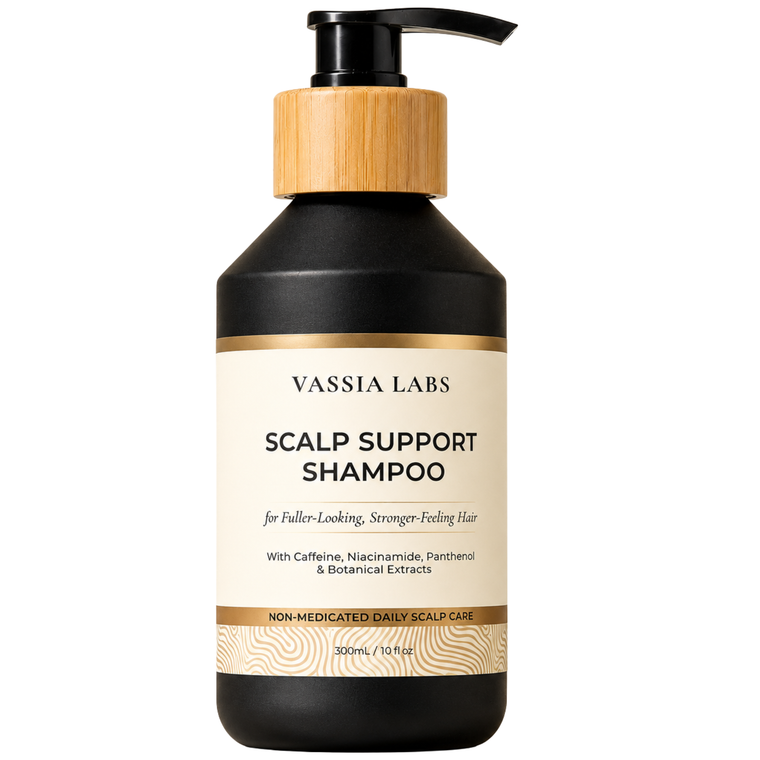
Vassia Labs Scalp Support Shampoo contains hydrolyzed wheat protein within a lightweight fragrance-free, sulfate-free and silicone-free cleansing formula for fine, flat and thinning-looking hair. It is an everyday cosmetic cleanser, not a substitute for a dedicated bond-repair treatment.
Frequently asked questions
Can I use bond repair and protein together?
Check the product directions and start with one intensive treatment if you are unsure. Layering multiple treatments can make residue and response harder to judge.
Does stiff hair prove “protein overload”?
No. Stiffness can come from the full formula, buildup, dryness, damage and other products. Treat “protein overload” as informal language rather than a diagnosis.
Do these treatments stop hair loss?
No. They are cosmetic hair-fiber treatments and do not diagnose or treat medical causes of hair loss.